Hazen Discusses the Comforts of Poetry in Uncertain Times
In a guest post on The Bookworm, Elizabeth Hazen, author of "Girls Like Us," discusses the power of reading and writing poetry in uncertain times.
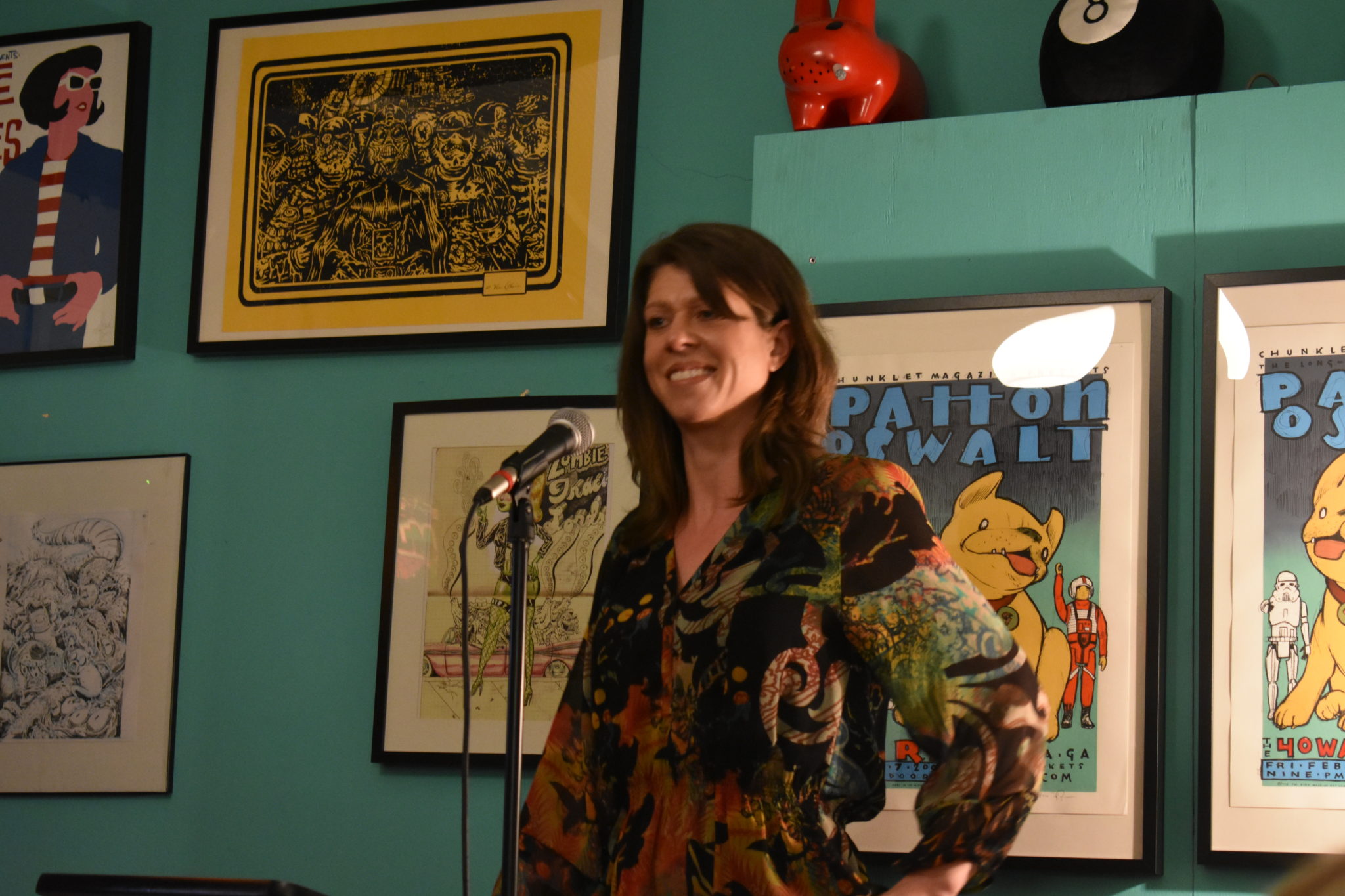
In a guest post for the small book review blog, The Bookworm, Elizabeth Hazen discusses the role poetry occupies in her life during uncertain times as with the 2016 inauguration and #MeToo movement, and now the COVID 19 epidemic. She also explains her relationship to her new collection Girls Like Us.
While in her first collection, Chaos Theories, she used "a filter through which to explore my subjects allow[ing her] the distance to be objective," in Girls Like Us Hazen "[didn't' allow [herself] quite as much distance from the subject," adding that:
"After the public discourse about sexual assault and misogyny blew up with Trump’s inauguration and with the onset of #MeToo, many old hurts resurfaced for me, as they did for so many women I know. I had to write through all of this and realized that many poems I had been working on were really about what it is to be a woman in world that expects us to be so many contradictory things. The process of writing these poems, though painful at times, was incredibly empowering, and it is my hope that readers will share in that sense of empowerment."
Read the full blog post HERE
And don't forget, EVERY. SINGLE. BOOK. in the ASP catalog is half-price through the month of may!
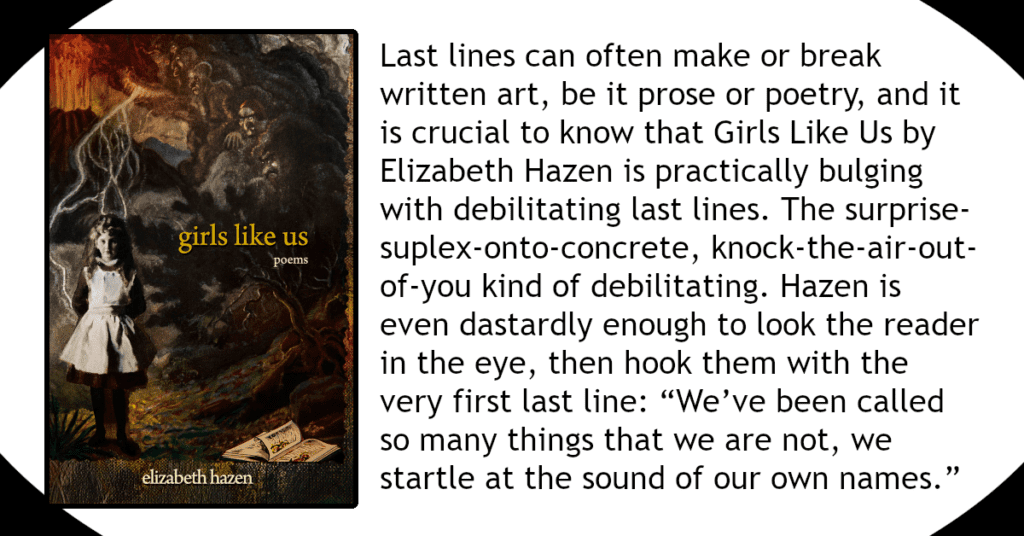
New Review of Girls Like Us: GLU “Bulges with Debilitating Last Lines”
In Lannie Stabile’s new review of Elizabeth Hazen’s second collection Girls Like Us, she raves about the effect of Hazen’s “last lines.” Girls Like Us, she says, is “bulging with debilitating last lines.” Like this one in the opening poem “Devices,” that Stabile points to as like a “hook,” “We’ve been called so many things that we are not, we startle at the sound of our own names.”
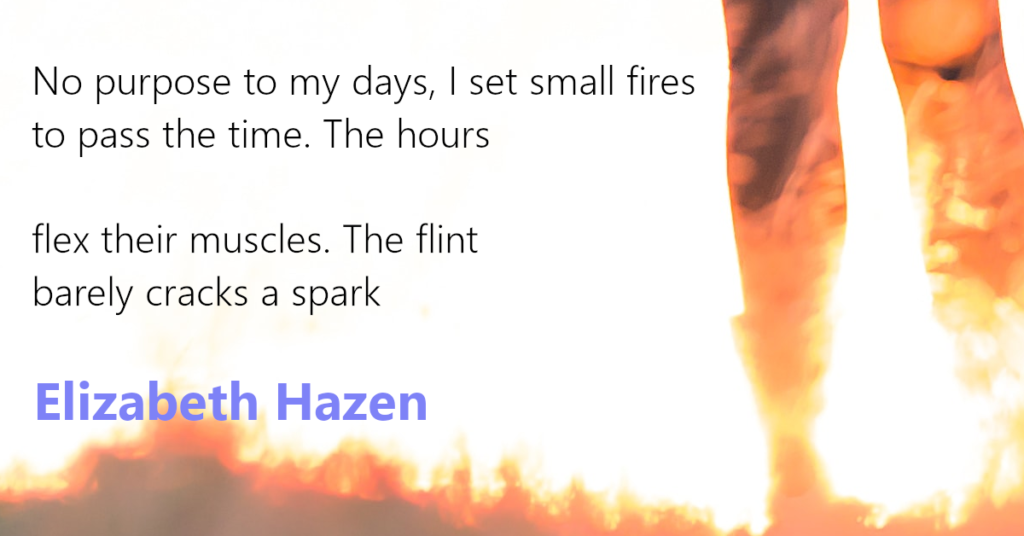
New Poem by Elizabeth Hazen “Panic Attack” Lands in Failbetter
A new poem by Maryland standout Elizabeth Hazen has been published in the 62nd volume of Failbetter literary journal. The poem, titled “Panic Attack,” is dark and violent.
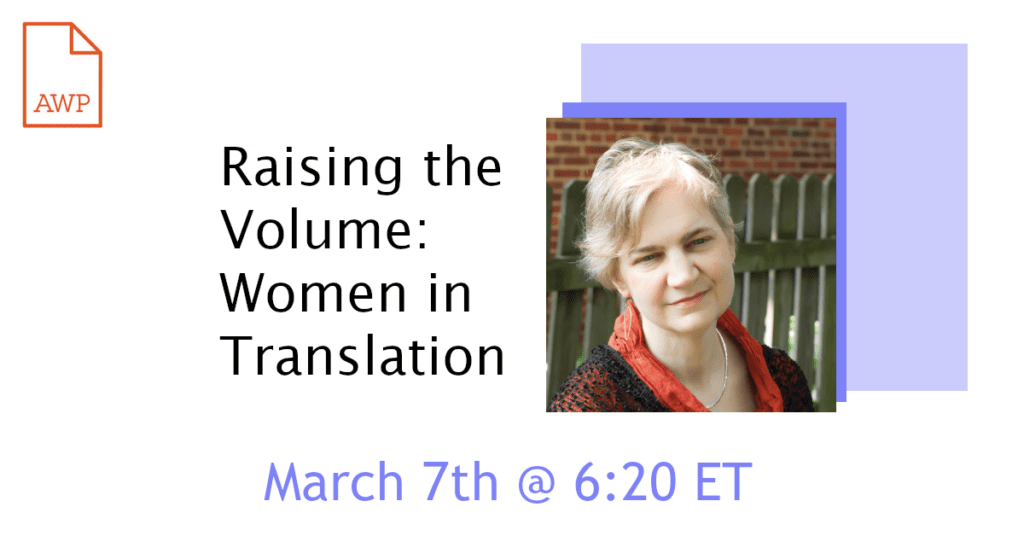
Attending AWP? Check out Katherine E. Young’s Panel on Women in Translation
Join Katherine E. Young at AWP to discuss women in translation and systems of exclusion.