Hazen Discusses the Comforts of Poetry in Uncertain Times
In a guest post on The Bookworm, Elizabeth Hazen, author of "Girls Like Us," discusses the power of reading and writing poetry in uncertain times.
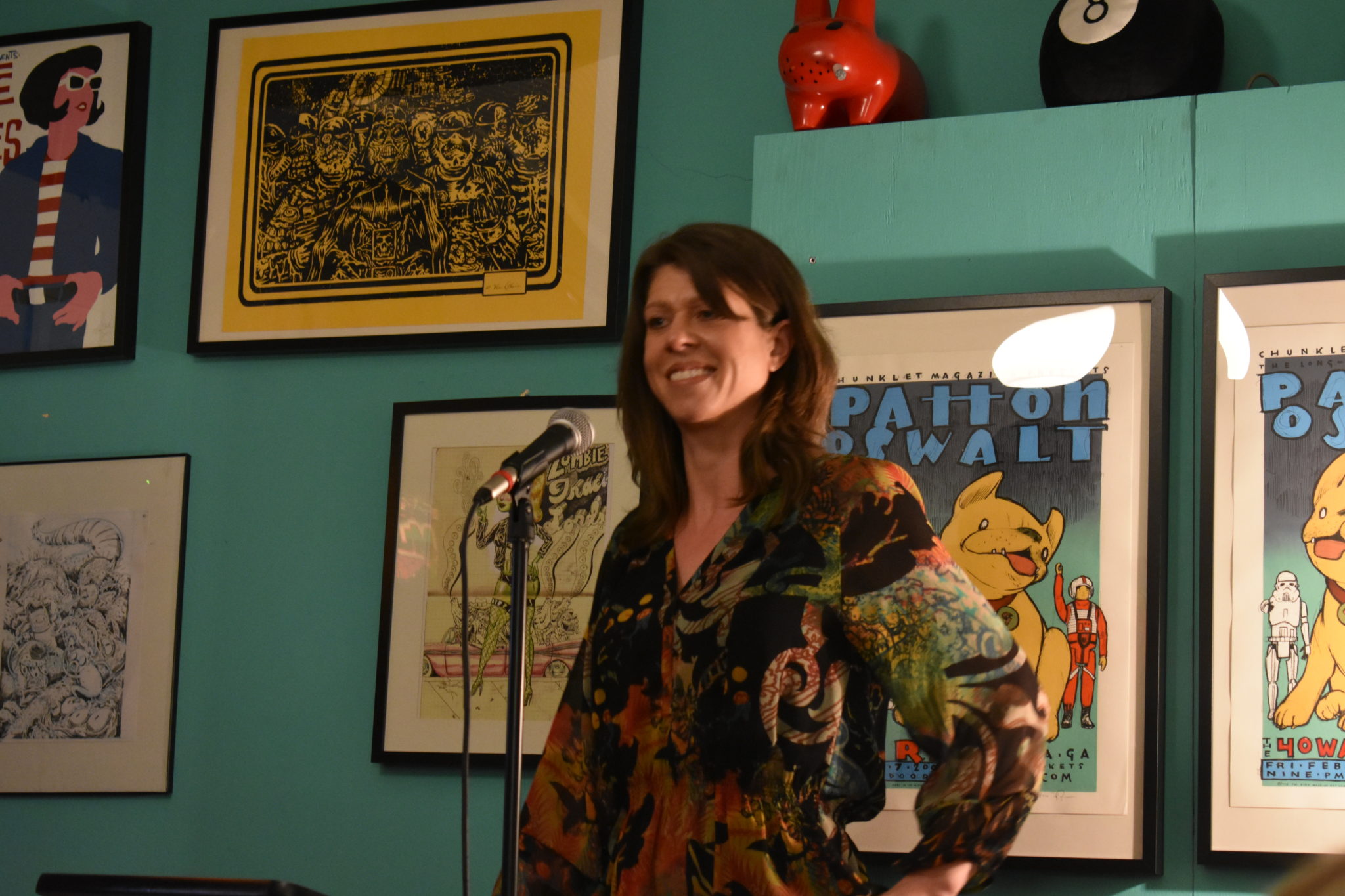
In a guest post for the small book review blog, The Bookworm, Elizabeth Hazen discusses the role poetry occupies in her life during uncertain times as with the 2016 inauguration and #MeToo movement, and now the COVID 19 epidemic. She also explains her relationship to her new collection Girls Like Us.
While in her first collection, Chaos Theories, she used "a filter through which to explore my subjects allow[ing her] the distance to be objective," in Girls Like Us Hazen "[didn't' allow [herself] quite as much distance from the subject," adding that:
"After the public discourse about sexual assault and misogyny blew up with Trump’s inauguration and with the onset of #MeToo, many old hurts resurfaced for me, as they did for so many women I know. I had to write through all of this and realized that many poems I had been working on were really about what it is to be a woman in world that expects us to be so many contradictory things. The process of writing these poems, though painful at times, was incredibly empowering, and it is my hope that readers will share in that sense of empowerment."
Read the full blog post HERE
And don't forget, EVERY. SINGLE. BOOK. in the ASP catalog is half-price through the month of may!
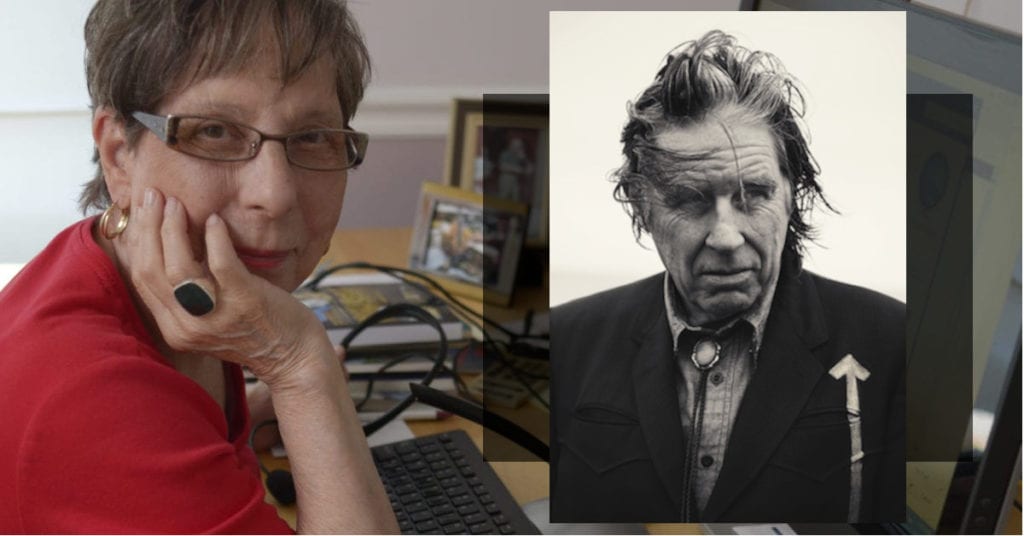
John Doe of Band X Recalls his Time Studying Under Grace Cavalieri
The punk-rocker, like so many others, discovered poetry through Grace Cavalieri. She offers some sound advice for aspiring readers.
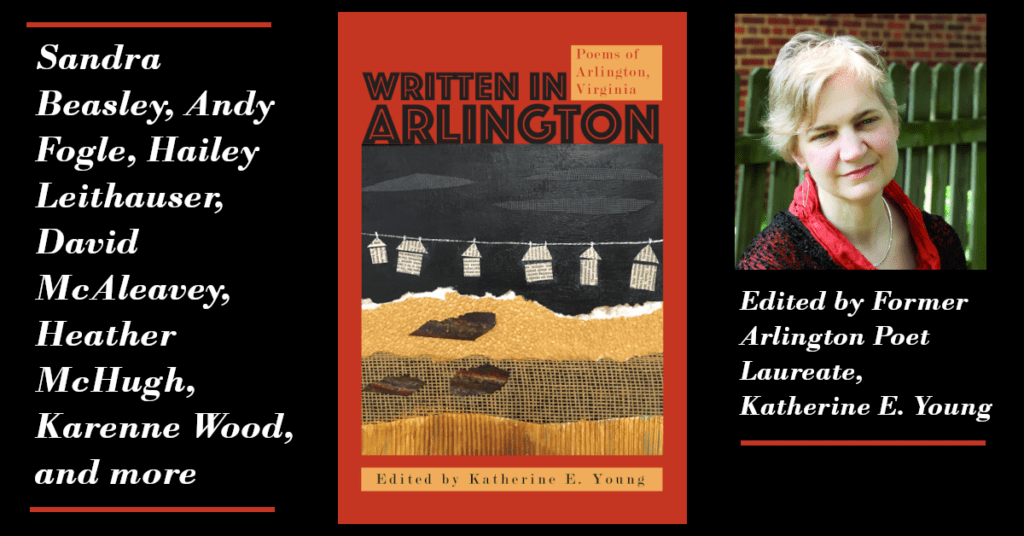
WRITTEN IN ARLINGTON, Katherine E. Young Edits Exciting New Anthology of Poetry
The former Poet Laureate of Arlington, VA, Katherine E. Young, curates this collection of contemporary poetry which shines a light on singular art from outside the big city.
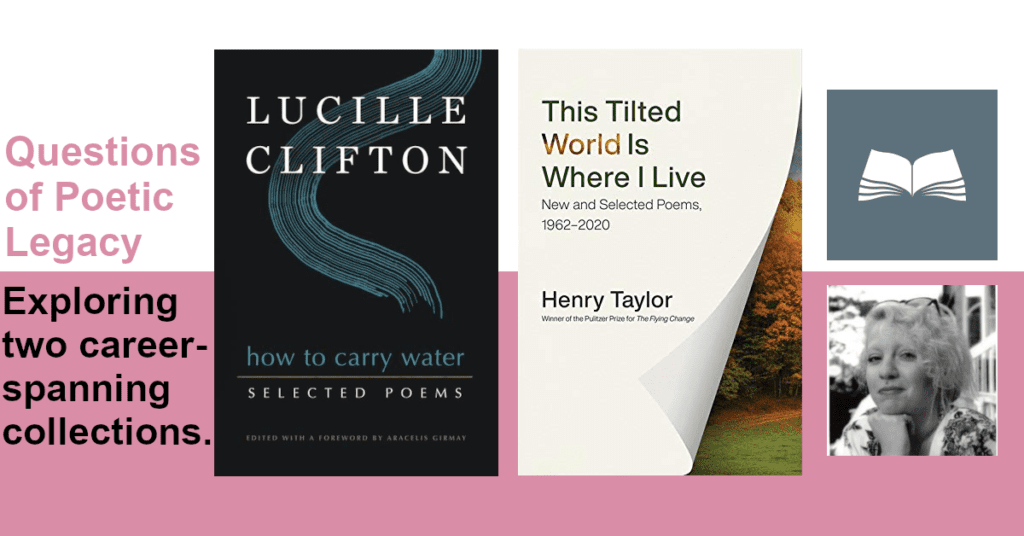
Selected Lucille Clifton and Henry Taylor Reviewed by Rose Solari
In her latest review column, Rose Solari tackles the selected poetry of two stalwarts of American letters, Lucille Clifton and Henry Taylor. Solari looks at the continuing legacy of the late Clifton and a Taylor who has chosen the Winnebago over the academy.