The Literary Review Raves about Grace Cavalieri’s Other Voices, Other Lives
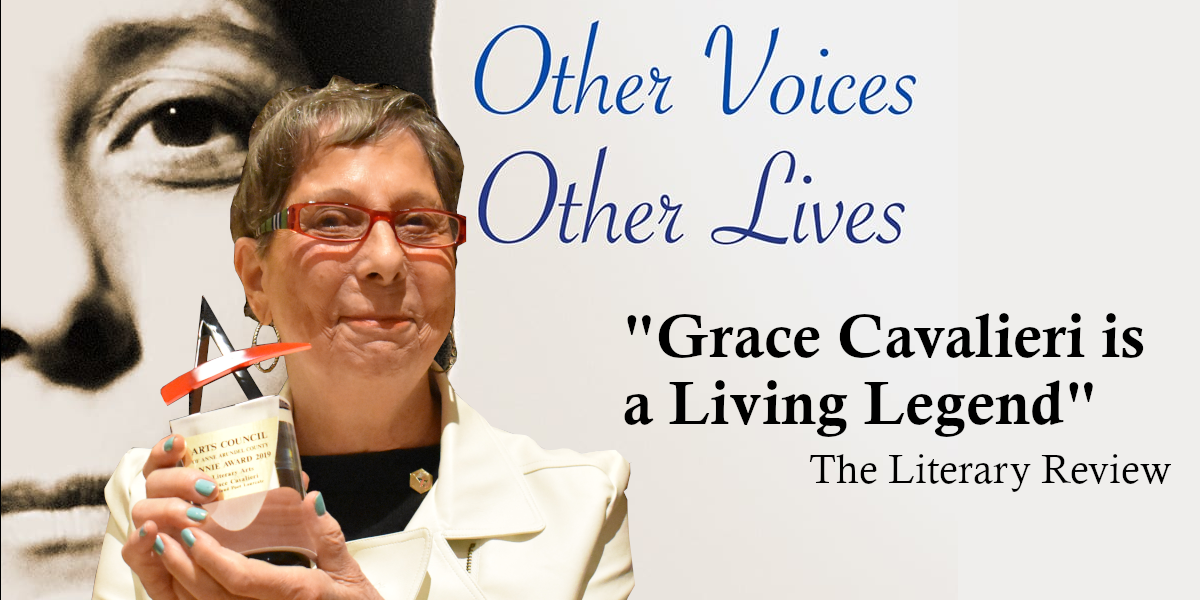
A new review of Grace Cavalieri's Legacy Book, Other Voices, Other Lives, was recently published in the long-running literary magazine The Literary Review. Author Karin Falcone Krieger calls Grace Cavalieri "a living legend" in their glowing review of the book. Fascinated by Grace Cavalieri's interpolated interviews with US Poets Laureate, Falcone lauds "[Other Voices, Other Lives] opens doors to so many other authors’ work, it creates a reading list to last even longer. Trust we are in good company, and it is a lively party."
In her review, Falcone also gives special attention to Grace's incredible life captured in her 2016 memoir, Life Upon a Wicked Stage, and to the situating introduction to OVOL from Rose Solari that "Rose Solari’s introduction is in the voice of a loving friend, focusing on tender specifics of that relationship, and the warmth of Cavalieri’s mentorship." Most people don't know about the hand Cavalieri had in shaping PBS, in crafting WPFW, or the massive influence of her NPR show "The Poet and The Poem," but it is clear Krieger did their research.
In a lovely moment, the reviewer describes a dream they had after reading Other Voices, Other Lives, "I fell asleep reading this book and dreamt I got to meet Grace Cavalieri in the hallways of WPFW where she once broadcast “The Poet and the Poem.” On the walls were 5-foot high pencil sketches of the faces of poets she had interviewed on the show: a wall of fame in progress. She’s talking quickly and gesturing to the drawings, explaining how she has recruited art students to complete the portraits, creating murals of the poets on the curved walls of 1970’s architecture in the radio station. The dream felt like the essence of her generous and community-building nature and was reminiscent of that golden age of PBS children’s programming I grew up with, which she had quietly shaped as well."
Featured Audio: Rose Solari reads “The Beginning, 1939”
In “The Beginning, 1939” Rose Solari’s mastery of recitation is put to the music of her capricious mother and the frantic hopes of her father who wishes to leave “no long, tight pauses for her to fill.” I’ve written before about Rose’s use of swing and rhythmic motifs in her work, elements which are alive in this poem, but what is really mesmerizing to me about “1939” is the musical image toward the end which harbors no pretense of cramming lieder into language, but instead focuses on the very physical act of her mother playing the piano:
Mikaela Lefrak Examines the Life of Maryland Poet Laureate, Grace Cavalieri
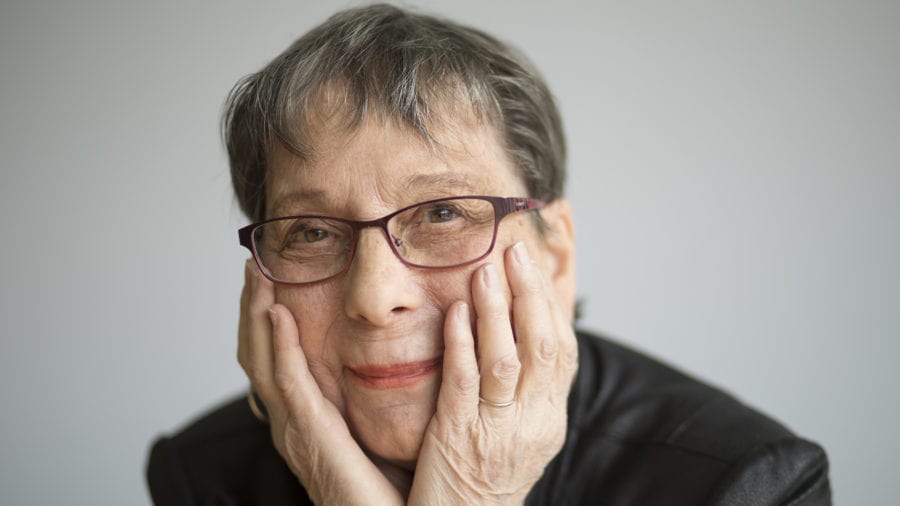
The beloved Grace Cavalieri “contains multitudes” according to Mikaela Lefrak in her newest article from WAMU taking a look at the life and career of the 10th Poet Laureate. And Ms. Lefrak treats her subject with the due respect of a life which cannot be covered succinctly in 500 words. She delivers a reverent tourists’ view of Grace Cavalieri’s life, hitting the big things: her poetry and work ethic, the passing of her husband, Kenneth Flynn, her conversion to Buddhism, and finally her new tenure as Poet Laureate.

Listen to Grace Cavalieri on the Kojo Nnamdi Show
Grace Cavalieri’s recent stop at NPR’s The Kojo Nnamdi show is now streamable. Over a substantive 22 minutes, listen to Grace talk about poetry, inspiration, and her plans as the 10th Maryland Poet Laureate.