TLR Delivers a Stellar Review of GIRLS LIKE US
Michael Quinn of TLR traces the arc of Elizabeth Hazen's new collection "The Last Girl" and discovers the ways in which "Absence asserts permanence."
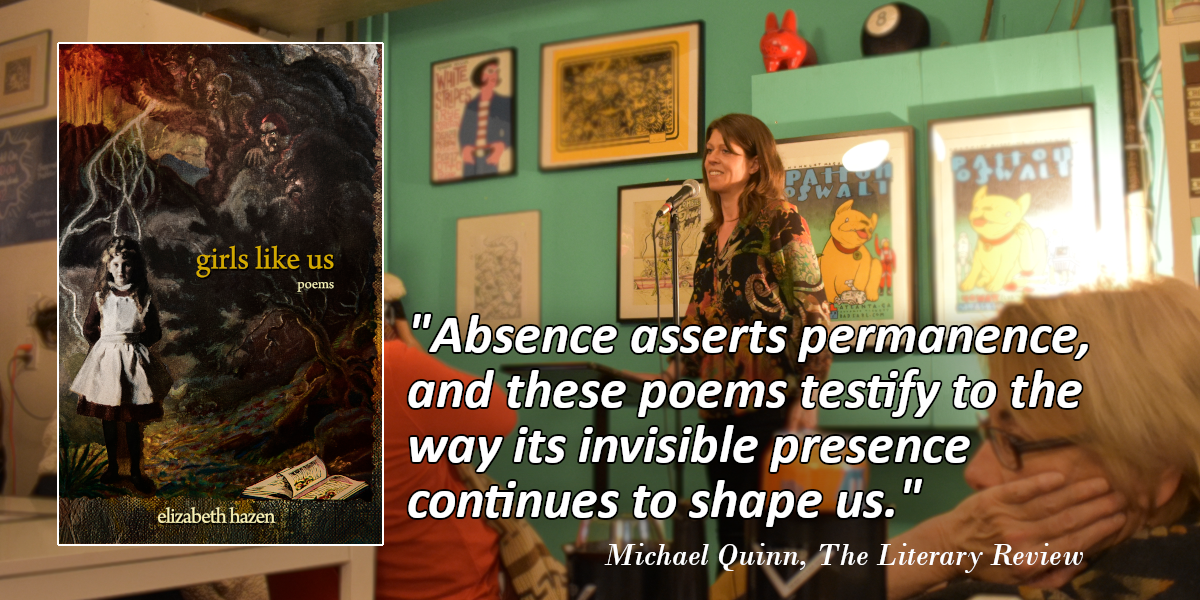
A new review this week from The Literary Review traces the arc of Elizabeth Hazen's Girls Like Us from a "[focus] primarily on the self, [to] poems [that] are gradually consumed by a responsibility to others, primarily through motherhood and its all-consuming need to provide for and protect."
Motherhood, womanhood, girlhood, addiction, and identity all present themselves in different ways throughout this arc, and Brooklyn-based reviewer Michael Quinn deals deftly with each of them, analyzing bits and pieces of many poems which tell the story of Girls Like Us rather than lingering too long on one or two images. In doing so, Quinn is able to depict Girls Like Us as a book that refuses pigeon-holing and which dares to be complicated and often difficult.
This dedication is evident in Quinn's description of the cover of the collection, a collage by Lindsay Fleming, "Near the girl’s feet, a book lies on the ground with its pages blown open. An adventure awaits: dangerous, scary, exciting, confusing." And, in a more detailed way, it is evident in Quinn's short but revealing analyses of the Hazen's Diagnosis cycle:
'“Diagnosis I,” “Diagnosis II,” and “Diagnosis III” respectively depict three scenes. In the first, an unwell woman is assured by her male doctor that despite her undiagnosed source of pain, there’s nothing wrong with her. In the second, a young virgin’s group of male tormentors becomes her booze-supplying seducers. In the third, the past of a woman at midlife is thrown into relief when a drunk aggressively hits on her. “Girls like / you, he repeated, leaving me / a blank to fill.”'
Fiddlin’ Around in Ireland
Nothing buoys the spirits like a walk along Grafton Street. Gray day or sunny, it’s bright with noise and laughter. Loud “hellos,” babies crying, neighborly gossip, rich brogues and lilting Irish airs float up onto the breeze. Our chosen course allowed for a stroll through St. Stephen’s Green. Sunlight dappled the leafy brakes. Inspired by the moment, Lawrence liberated his fiddle and sawed out a hornpipe. He was joined in his performance by a pair of amorous ducks.
On Grafton street we were immediately surrounded by music. A couple of 9 and 10-year-old boys, Donald Reagon and Paul O’Neill, were delighting passersby with smooth moves on the fiddle and concertina. College students with shaved heads played sitars. Old men played jazz. A guitarist somewhere was plucking out George Harrison tunes and singing, “Here comes the sun, little darlin’ here comes the sun.”
On that musical street there was only one poet—a threadbare character who, for a pound or a punt (Irish pound) or nothing at all, would recite a poem by a poet of one’s choosing. I selected Yeats and was honored with “The Fiddler of Dooney”:
“When I play on my fiddle in Dooney, Folk dance like a wave of the sea . . .”
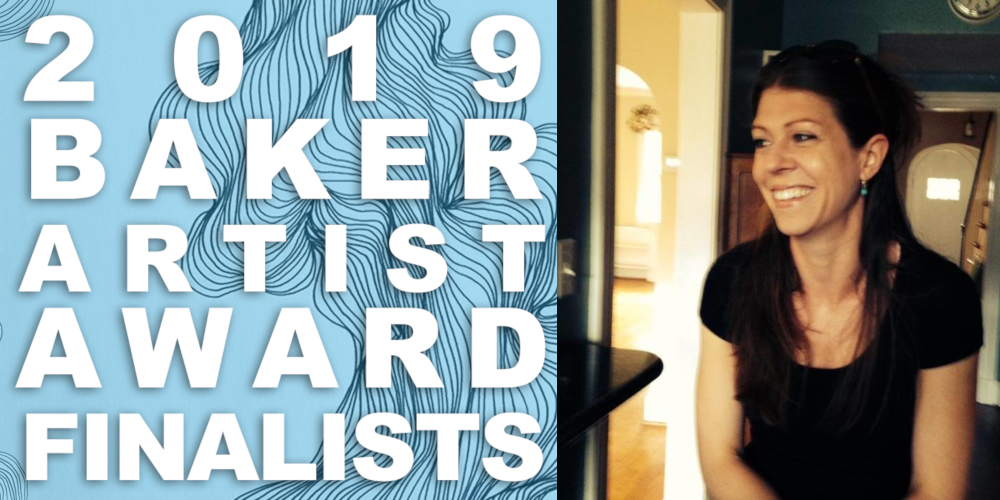
An Interview with Elizabeth Hazen, Baltimore Poet and Baker Award Finalist
Baltimore poet, Elizabeth Hazen’s first collection of poems is entitled Chaos Theories. Last week the young poet was announced as a finalists for the prestigious Baker Artist Award in literature. We sat down to talk with her about her experience in Baltimore as an artist and what programs like The Baker Awards mean to artists.
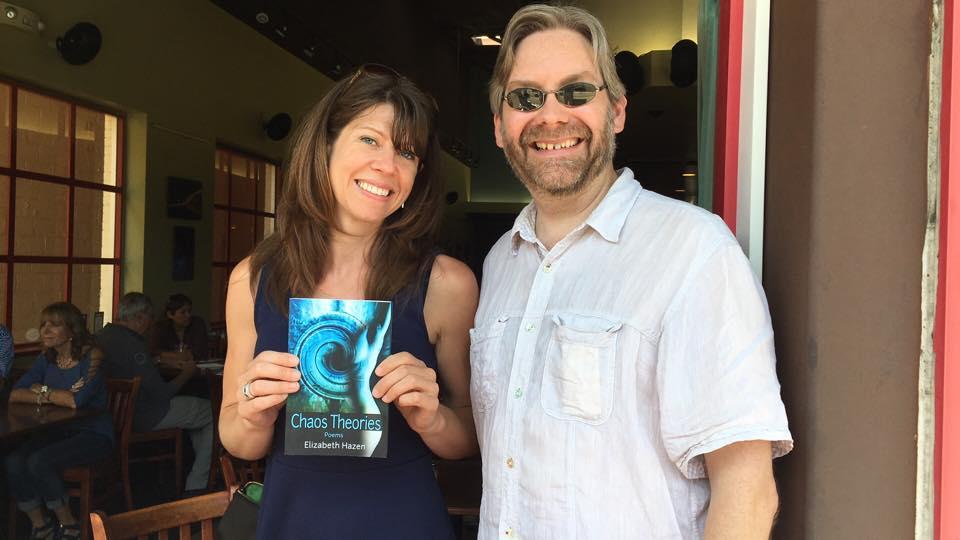
Elizabeth Hazen Announced as a Finalist for the 2019 Baker Award
This year, ASP’s own Elizabeth Hazen, author of the poetry collection Chaos Theories, is a finalist for the $10,000 literary honor. Hazen is a Baltimore resident and ardent supporter of the city’s burgeoning arts scene (named by Thrillist and Departures magazines as one of the best arts cities in America). She received her MFA from Johns Hopkins University and currently teaches English at the Calvert School in Baltimore.