Elizabeth Hazen Shares Her Tsundoku (Poetry books to Read)
In a new blog post, Elizabeth Hazen shares her tsundoku. Tsundoku is a Japanese word meaning "Acquiring reading materials but letting them pile up in one's home without reading them."

For Christmas, which seems like three lifetimes ago, my parents gave my husband a book of interesting words from around the world*. An engineer who has a soft spot for spoonerisms, puns, and wordplay in every form, he found instant delight in this book. Did you know that Germans have a word for the weight we gain from stress-eating? Kummerspeck. Or that the Scots have a word for that awkward pause when you’ve forgotten the name of the person you’re introducing? Tartle. Among my favorites are the whimsical Swedish smultronställe, a place of wild strawberries; the romantic Italian dormiveglia, the space between sleeping and waking; and the essential Japanese tsundoku, that pile of unread books on my bedside table that grows with each passing month.
Needless to say, I took that book of words from my husband, adding one more to my stack...
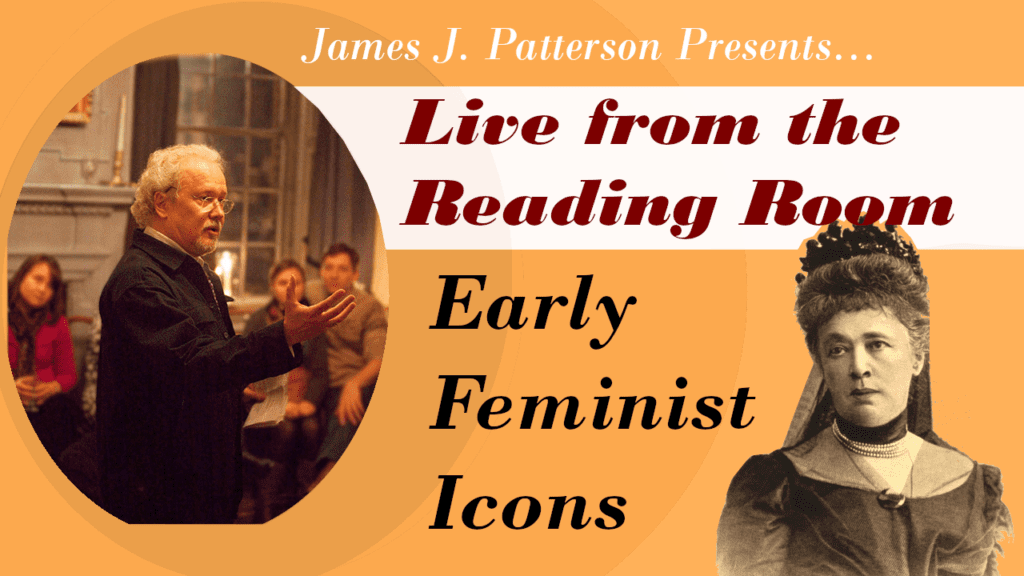
James J. Patterson Discusses his Favorite Early Feminists on episode 9 of LFTRR
In this episode of Live from the Reading Room, James J. Patterson discusses two of his favorite early feminist icons, Bertha Von Suttner and Adrienne Lecouvreur.
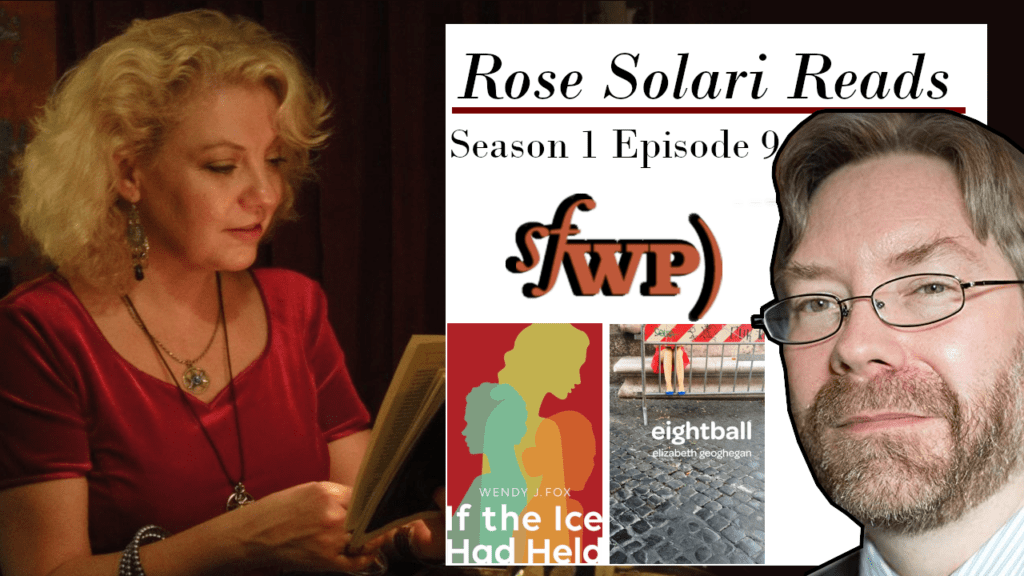
Rose Reads #9 Heralds the Good Works of SFWP
On this special episode of Rose Reads, Rose Solari discusses books from fellow small press, Santa Fe Writer’s Project, run by publisher, Andrew Gifford. Rose reads from two wonderful books, Wendy J. Fox’s If the Ice had Held and eightball by Elizabeth Geoghegan.
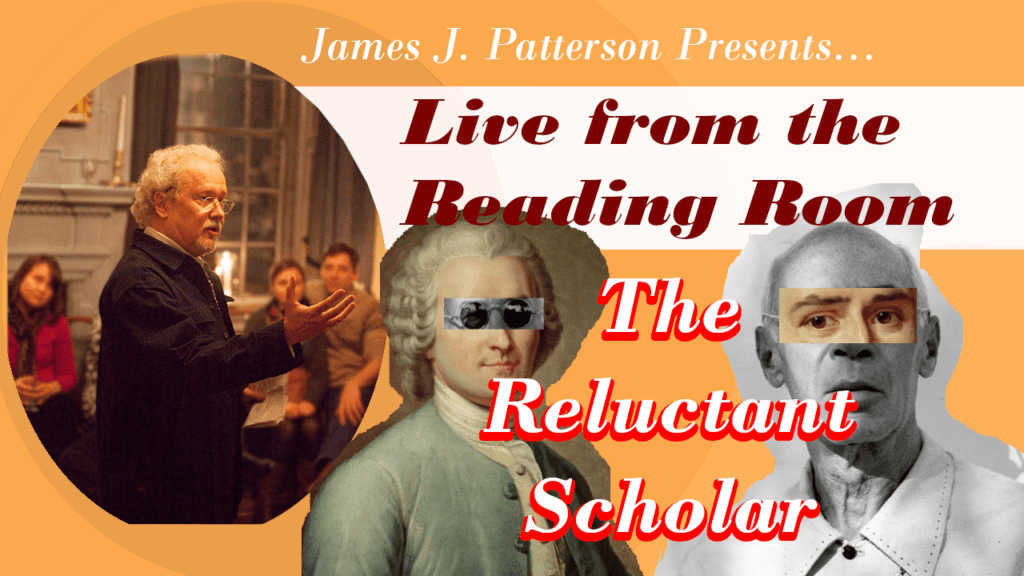
Episode 8 of LFTRR Explains the “First Page Test”
James J. Patterson is the reluctant scholar and on this episode of LFTRR he reads the from his essay of the same name. He also reads from books that have passed his “First Page Test” including “Night Train to Lisbon” by Pascal Mercier, “The Great Gatsby” by F. Scott Fitzgerald, “The Muse” by Jessie Burton, “The Tropic of Cancer” by Henry Miller, and “Confessions” by Jean-Jaques Rousseau.