Hazen Featured in New Article: "Baltimore: Great Poets Live Here"
Poet, Elizabeth Hazen, and her second collection, Girls Like Us, are featured in this Fishbowl article exploring the poets of Baltimore
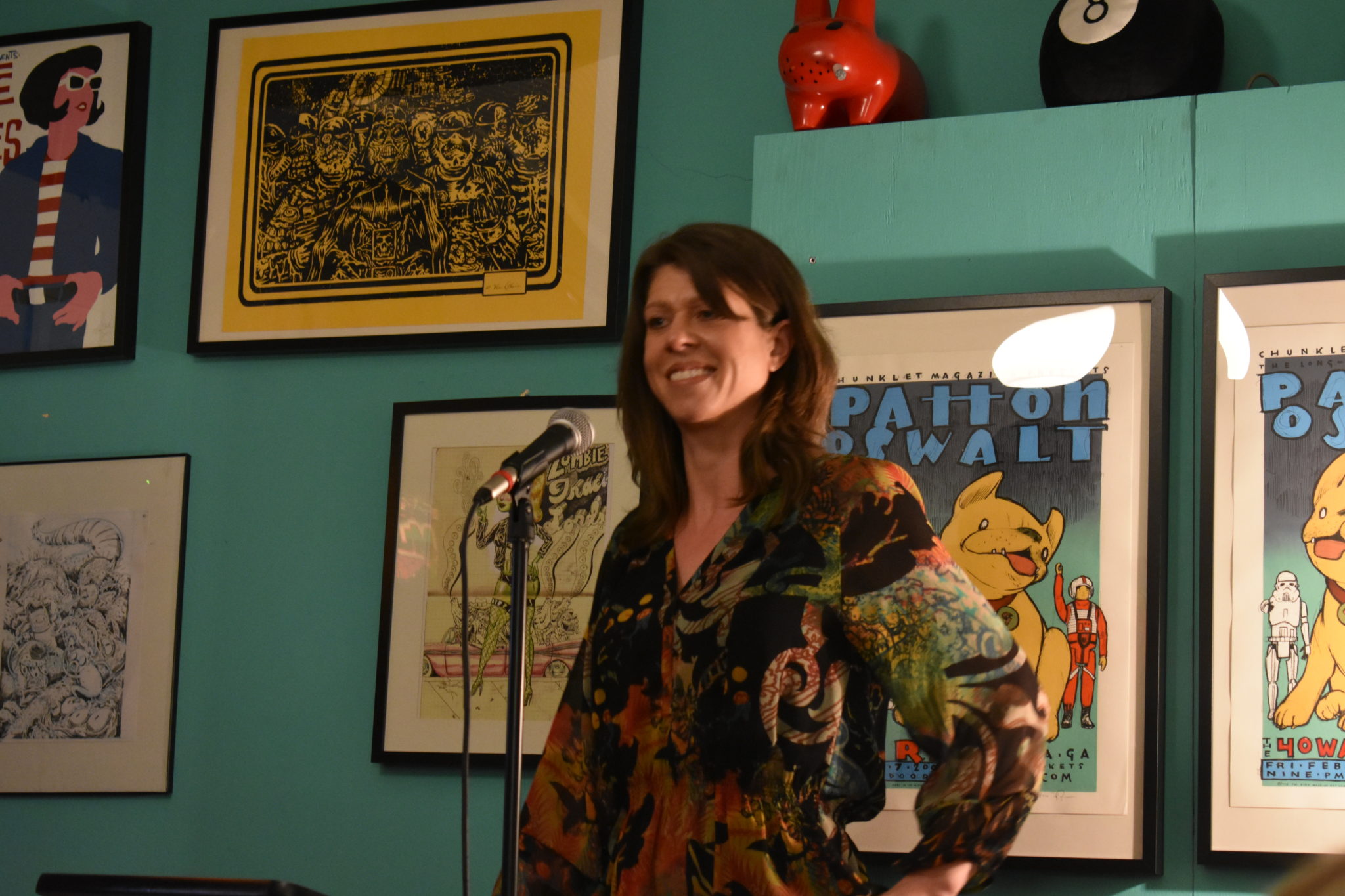
Poet, Elizabeth Hazen, is featured alongside other notable names in the Baltimore literary scene such as Dora Malech and Steven Leyva in this extolling article from Baltimore Fishbowl writer Jennie Hann.
Elizabeth Hazen, who has written several essays for the Fishbowl, released her latest collection, Girls Like Us, in March right before the upswing of the pandemic. Since then, GLU has received much critical acclaim garnering glowing reviews from publications such as The Literary Review, Lit Pub, and London Grip. Jennie Hann's article praises the feminist commentary of GLU and Hazen's incisive and economic style which "twist[s] the knife yet deeper." An excerpt follows below:
By day, Hazen teaches English at Calvert School. We’re told on good authority that her classes are “lit”—as in, exciting, turned on, ablaze. No accident, then, that Girls Like Us has been described as “poetry on fire.” From the first page, Hazen’s words burst into flame, lingering in the mind with explosive residue long after the book has been shut. Take, for instance, “Devices,” which opens the volume and sets its tone. On the surface, this is a conventional list poem, a series of mnemonics to help students learn poetic terms (also known as “devices”). Dry material? Wait until Hazen strikes the match between her teeth:
Assonance
repeats vowel sounds: hot bod, dumb slut, frigid bitch.
Even his line—“Girl, we’ll have a fine time”—
or her refusals—“No! Don’t!”
Just like that, a clever exercise becomes a meditation on the casual misogyny of everyday life and language. We often think of poetic diction as elevated or rarified. Hazen dispels that notion. She writes poetry that’s legible because it’s also real and relate-able. Notice, above, how her carefully chosen slang examples riff on the note sounded by the term’s first syllable (“ass-”). Am I right to think you won’t have any trouble remembering “assonance” from now on?
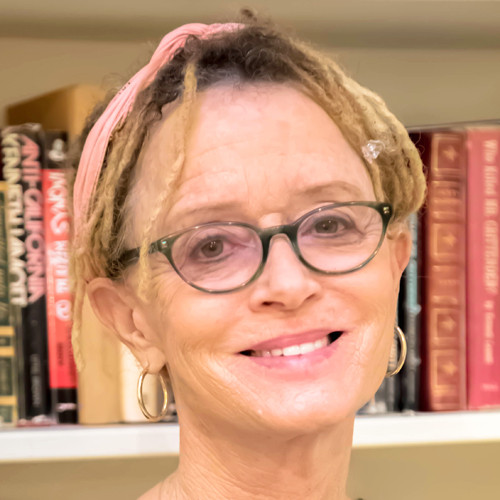
Anne Lamott and Jasmin Darznik Share their thoughts on Navigating the Divide
What do bestselling authors Anne Lamott and Jasmin Darznik think of Linda Watanabe McFerrin’s “Navigating the Divide”?

The Contemporary Poets and Musicians on Reuben Jackson’s Mind
On Tuesday we ran an article featuring two glowing blurbs for Reuben Jackson’s latest poetry collection Scattered Clouds. They came from two young stalwarts of the American poetry community: National Book Award winner, Terrance Hayes, and Maryland’s own Abdul Ali, author of Trouble Sleeping. In honor of Reuben’s devoted following from within the young-blooded poetry vanguard, and for the sake of utilizing his deep insider knowledge of jazz and its many contemporary standouts (Reuben was curator of the Ellington Collection at the Smithsonian for twenty years), we asked Reuben to recommend and comment on three contemporary poets and three contemporary jazz musicians he admires.
Terrance Hayes and Abdul Ali Share their Thoughts on “Scattered Clouds”
What do National Book Award winner, Terrance Hayes, and Poet, Abdul Ali, have to say about Reuben Jackson’s new poetry collection, “Scattered Clouds?”