Rose Solari Describes Her Favorite Erotic Literary Scene in WIRoB Article
"In Possession, the repressions of time and circumstance explode with a dazzling erotic force."
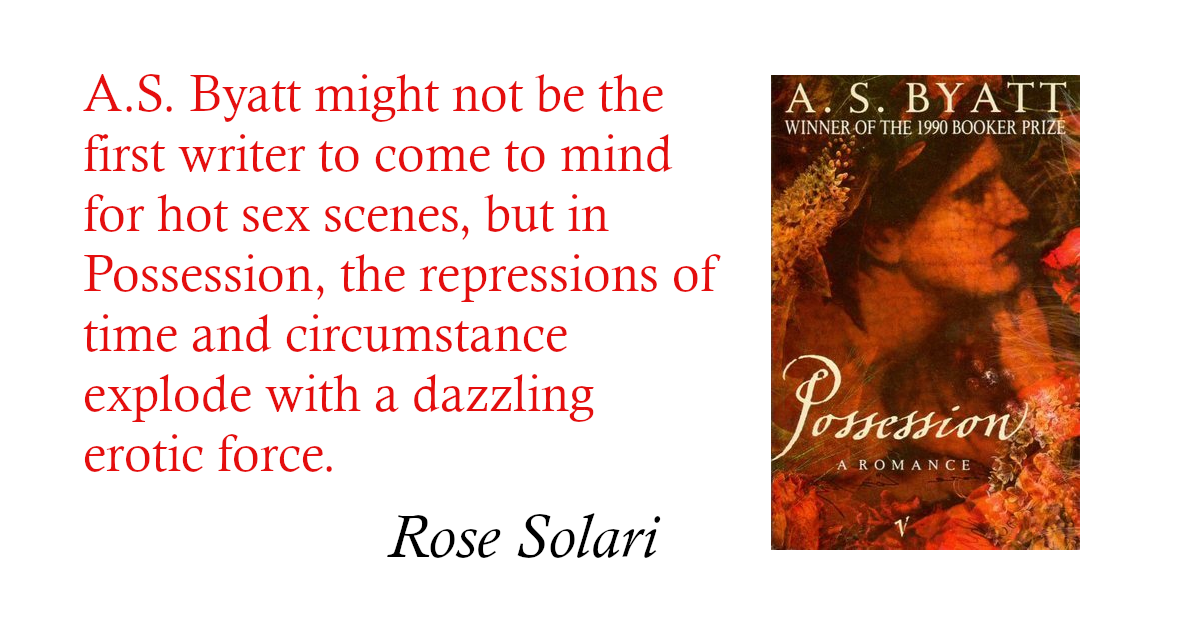
E.A Aymar's latest article in the Washington Independent Review of Books asks popular authors to review their favorite erotic scenes in novels. As Aymar puts it, "I want something more than 'romantic.'" Fortunately, ASP's own Rose Solari was around to answer the call. her selection: a scene in A.S. Byatt's Possession. Below is an excerpt, but you can read the entire article on the WIRoB site here
“We’re in England in the 1860s. Cristabel LaMotte is a poet of modest reputation and hermit-like tendencies, living with a female companion who is secretly her lover. Randolph Ash is a renowned poet stuck in a sexless marriage with a loving but frigid wife. What begins as a chance meeting develops into an increasingly passionate epistolary relationship. By the time they consummate their love — on a stolen seaside trip — their hunger for each other is at its peak boiling point, fierce and frightening for them and for the reader. A.S. Byatt might not be the first writer to come to mind for hot sex scenes, but in Possession, the repressions of time and circumstance explode with a dazzling erotic force.”
– Rose Solari, author of A Secret Woman
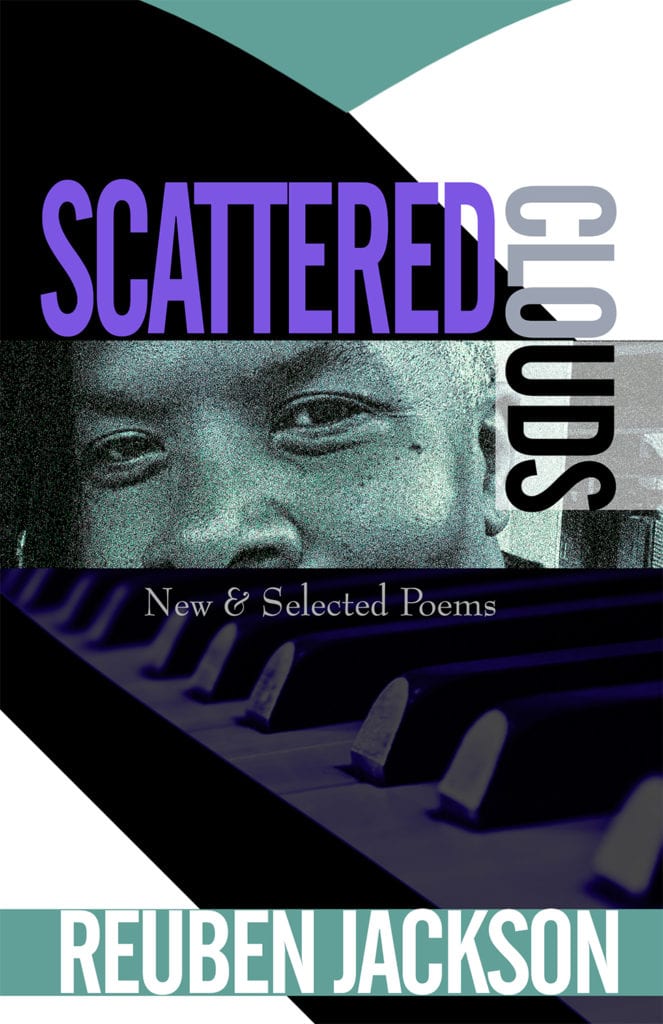
PANK Publishes Early Review of “Scattered Clouds” by Reuben Jackson
Poet Risa Denenberg’s glowing review of Scattered Clouds is up on the PANK Magazine website. Her review details the jazz and political influences in Reuben’s work as well as the specters of “racism, suicide, and brutality,” which give some of his poetry a more menacing aspect.

ASP Travel Writers Celebrate Anthony Bourdain
ASP writers celebrate the life of Anthony Bourdain on the inaugural “Anthony Bourdain Day.”
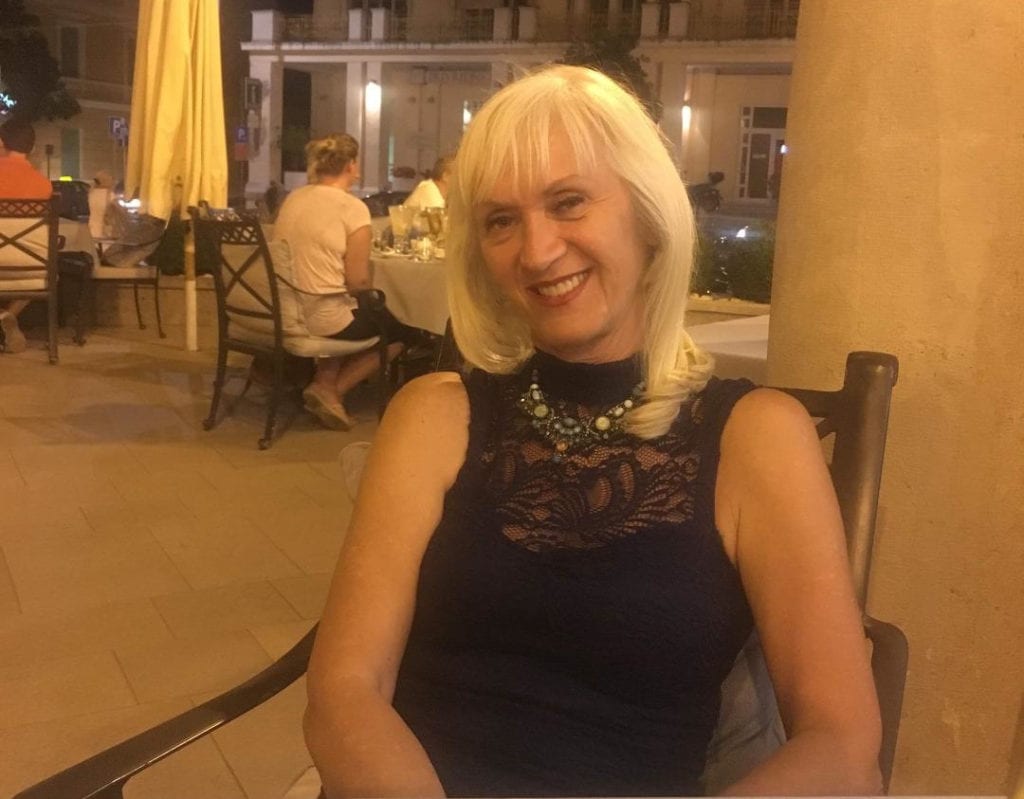
Author, Branka Cubrilo, Talks New Novel, “Dethroned” with James J. Patterson
James J. Patterson sits down with Croatian-born novelist, Branka Cubrilo to talk about her recent geopolitical thriller novel, “Dethroned.” In the course of conversation they touch on feminism in Eastern Europe, the lives of young women, translation, and the merits of different languages for carrying prose.