New Review of Girls Like Us: The Collection "Bulges with Debilitating Last Lines"
"The surprise-suplex-onto-concrete, knock-the-air-out-of-you kind of debilitating. Hazen is even dastardly enough to look the reader in the eye, then hook them with the very first last line: 'We’ve been called so many things that we are not, we startle at the sound of our own names.'"
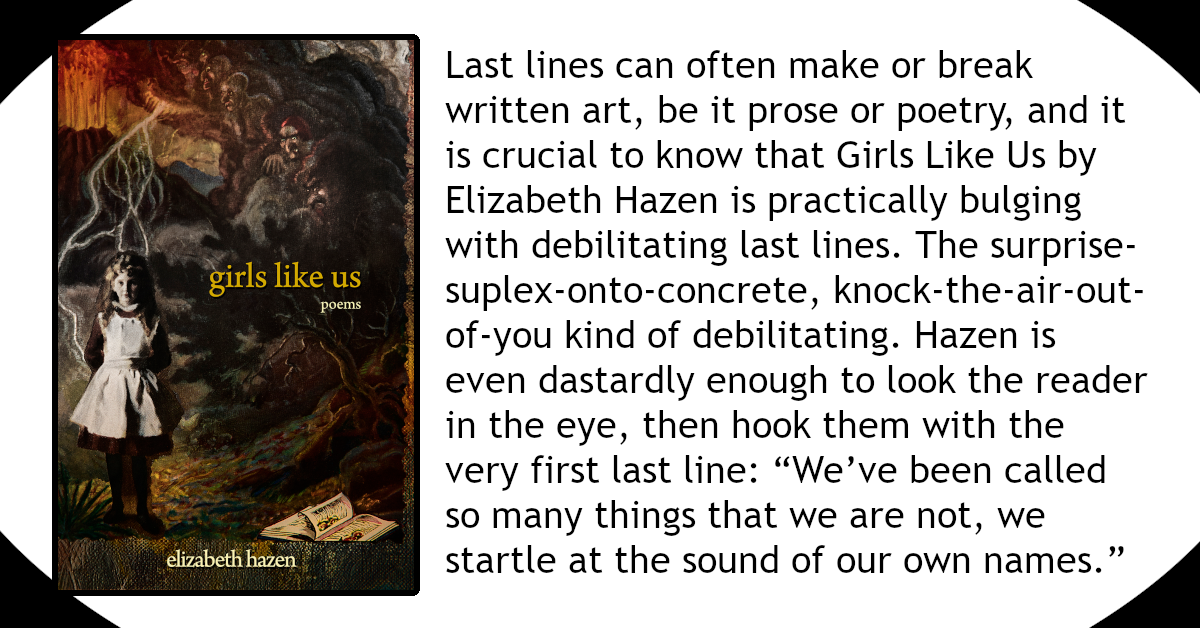
In Lannie Stabile's new review of Elizabeth Hazen's second collection Girls Like Us, she raves about the effect of Hazen's "last lines." Girls Like Us, she says, is "bulging with debilitating last lines." Like this one in the opening poem "Devices," that Stabile points to as like a "hook," “We’ve been called so many things that we are not, we startle at the sound of our own names.”
Stabile's review appears in The Poetry Question which seeks to lift the voices of small press poetry. Stabile is the Managing Editor at Barren Magazine and is a member of the MMPR Collective.
Girls Like Us is Hazen's second collection of poems after Chaos Theories (2016).
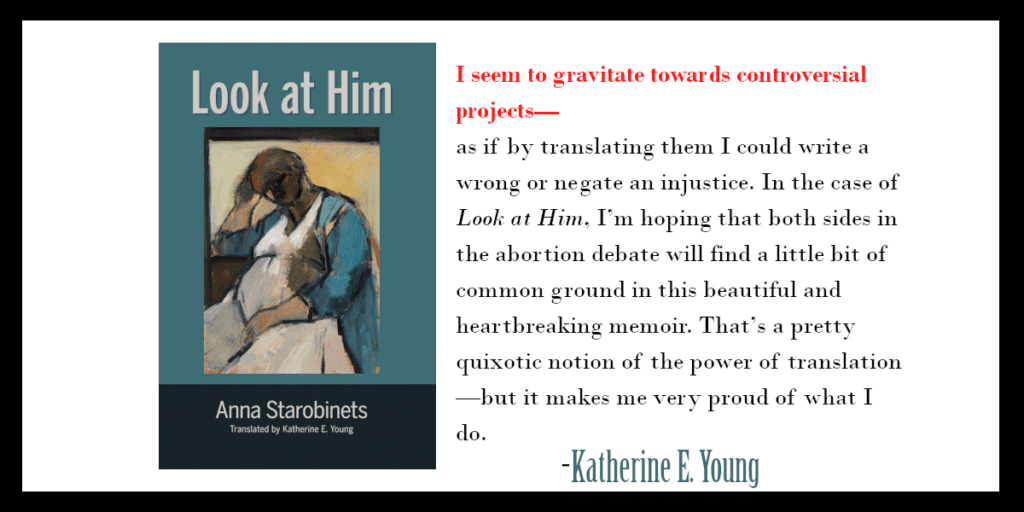
Katherine E. Young Breaks Down Her New Translation of LOOK AT HIM by Anna Starobinets
Katherine E. Young appears on Leslie Pietrzyk “To be Read” blog series to discuss her new translation of a book that “ignited a firestorm” in Russia
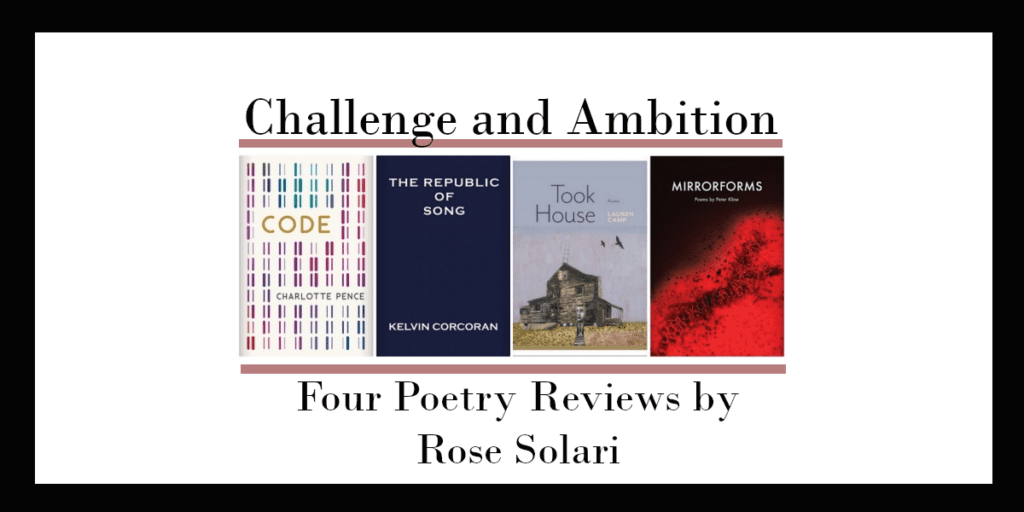
Challenge and Ambition: Rose Solari Releases new Poetry Reviews for WIRoB
Rose Solari’s reviews this month focus on four collections that “challenge and stretch the reader’s expectations in terms of content, form, or both.”

Rose Solari Joins in a Dickinson Tradition at this Year’s Tell it Slant Festival
While the Emily Dickinson poetry marathon is not a marathon in the traditional sense, it does test the endurance, fortitude, and preparedness of all its participants. Over a seven day period, 14 hours in all, participants will read every one of the enigmatic 19th-century poet’s 1,789 poems in the order prescribed by R.W. Franklin’s The Poems of Emily Dickinson.