"Other Ones" Author Dave Housley interviewed by Christopher Gonzalez for Rumpus
Christopher Gonzalez, author of I'm Not Hungry but I Could Eat, interviews ASP's Dave Housley about Housley's upcoming dark comedy novel The Other Ones
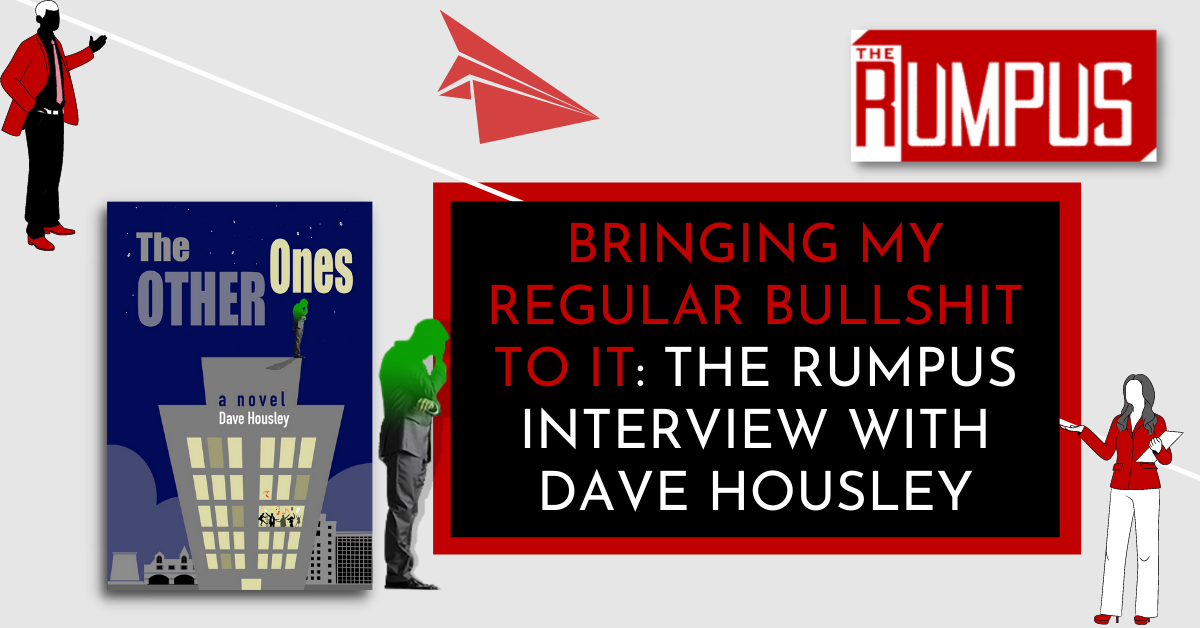
Of his interview with Dave Housley for the Rumpus, author Chris Gonzalez writes "It was my honor to chat with Dave...about balancing a full-time job with fiction writing, the office environment, how to push forward during the rougher stages of drafting, and keeping things weird."
The interview is disarmingly candid, as Housley is wont to be, and focuses largely on making art in a life that is not necessarily art-centered. Along with craft, revision, and, his discovery of "weird" underground fiction, Housley and Gonzalez discuss some of the intricacies of Housley's new darkly comedic novel The Other Ones. Read the interview HERE. An excerpts follows below:
Rumpus: For a novel with an ensemble of seven voices, the pacing moves at a clip. I’m curious if there are any POVs you cut in the end. Whose thread was the most difficult to write? Did any individual character’s storyline take you into a direction you hadn’t anticipated, even when approaching it from the eye of Second- or Third-Draft Dave?
Housley: I didn’t cut any, but I did add in the character of Gibbons after I had a full draft. File this under “How Not to Get An Agent”: An agent who read the full manuscript gave me some feedback that there was too much office stuff here, which I didn’t really agree with, this being a book that’s largely set in an office. So I zagged and added in Gibbons, who only exists at his desk and mostly thinks about what he might eat for lunch, and whose primary arc is around a milk frother (hat tip to you, Chris) and the appearance and then disappearance of oat milk in the communal refrigerator.
I think Lawson was the most difficult to write in the end, and I thought that one was going to be the easiest. They all shoot off in different directions. His was the one that I thought was most familiar to me—he’s a person who is legitimately interested and engaged in his job but this lottery thing jumpstarts a bit of a mid-life crisis, and it has to do with artistic interests he’s left behind as he got older and moved up the ladder. So this is me thinking, what if I never started writing and then this thing happened at work? He winds up taking some writing classes and getting involved in what’s basically a version of the writing community we’re a part of. It wound up being a little harder, I think, because he’s like me in some pretty basic ways, and that was much less interesting to write than, say, the angry asshole ghost who haunts the houses of the lottery winners.
I think the biggest surprise was Chastain’s thread. She winds up leaning in to work, finding a new job working for the leader of the office, Sarah, and finding real meaning there. I knew I wanted somebody to lean in and actually start taking work more seriously, but in editing the book I was really surprised at that part of it, that Chastain really becomes the heart of the novel and the moral center in a way that I hadn’t appreciated when I was first writing it. Some of that may have to do with the fact that I was editing the office book from my home and perhaps seeing a little more clearly some of the good things that came out of being in the office environment.
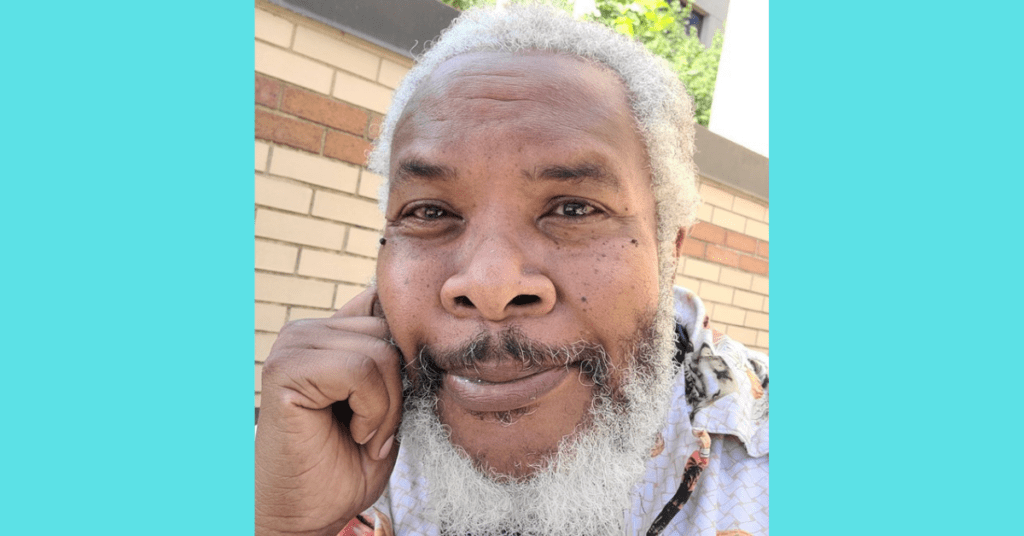
Reuben Jackson Joins WPFW’s “The Sound of Surprise”
Beginning May 1st, Reuben will begin as host of DC radio channel WPFW’s “The Sound of Surprise.” The show runs from 4 to 6pm and Reuben will be alternating every other Sunday with the program’s creator, Larry Appelbaum.

A Book and Its Cover: Rose Solari Reviews Two New Collections of Poetry for WIRoB
Rose Solari’s latest review column for Washington Independent Review of Books tackles two stellar new collections by established small-press poets, Terry Ellen Cross Davis and Dan Beachy-Quick. As with all her reviews, Rose uses a common theme to link the subject matter of the books she is reviewing. This month, she explores how the cover design is mirrored by the poetry and vice versa.
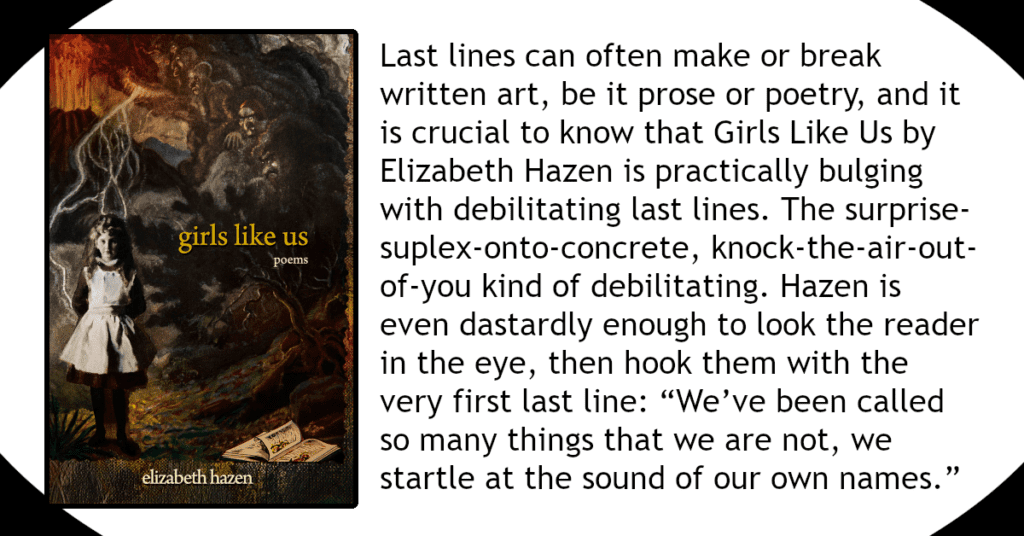
New Review of Girls Like Us: GLU “Bulges with Debilitating Last Lines”
In Lannie Stabile’s new review of Elizabeth Hazen’s second collection Girls Like Us, she raves about the effect of Hazen’s “last lines.” Girls Like Us, she says, is “bulging with debilitating last lines.” Like this one in the opening poem “Devices,” that Stabile points to as like a “hook,” “We’ve been called so many things that we are not, we startle at the sound of our own names.”