Elizabeth Hazen Essay Lands in Coachella Review
Elizabeth Hazen's new essay "Click Here to Relive This Memory" explores the warmth and the chill of nostalgia
" The future brims with uncertainty and violence and harsh colors; it is no surprise that we prefer looking back," writes Elizabeth Hazen in her new essay that contends with a societal and personal obsession with nostalgia. In the course of her essay, she charts her life as a young child devouring handfuls of cereal in front of Saturday morning cartoons, to a young mother mired in a failing marriage, to the struggles and successes of today. Read an excerpt below:
In my inbox, I find the weekly message from Shutterfly: “Your memories from X number of years ago this week.” One click and there is my son, toothless and grinning, face smeared with sweet potato puree. There is a house I no longer inhabit, friends I no longer know, a self I no longer know, a life to which I can never return. The link, “Relive this memory,” a tempting lie.
If I really think about it, though, I must acknowledge the angst and uncertainty of my twenties and thirties, the self-destructive patterns I did not yet recognize, the insecurities that stifled my voice. My nostalgia fades ultimately into more honest reflection on the past, and I fix on what might be a lesson in all this looking back: one day, I will long for the moment I am in right now. I remind myself to pay attention, to savor what I can.
Sometimes I think that, through memory, we build armor, adding layer upon layer like expanding Russian dolls. I see my son’s face hardening, his defenses stronger, and his actions more careful and strategic than they were even a month ago. Sometimes I think the opposite; memory strips us away, like birch bark in a storm, or onion skin, revealing more vulnerable interiors. His face as the Pink Panther dumps laundry soap into the machine, the way his voice changes when he exclaims over pictures of the cat. Likely, it is both, some memories serving to strengthen us and others allowing us to let down our guards and become, if only for a moment, who we once were.
Featured Audio: Rose Solari reads “The Beginning, 1939”
In “The Beginning, 1939” Rose Solari’s mastery of recitation is put to the music of her capricious mother and the frantic hopes of her father who wishes to leave “no long, tight pauses for her to fill.” I’ve written before about Rose’s use of swing and rhythmic motifs in her work, elements which are alive in this poem, but what is really mesmerizing to me about “1939” is the musical image toward the end which harbors no pretense of cramming lieder into language, but instead focuses on the very physical act of her mother playing the piano:
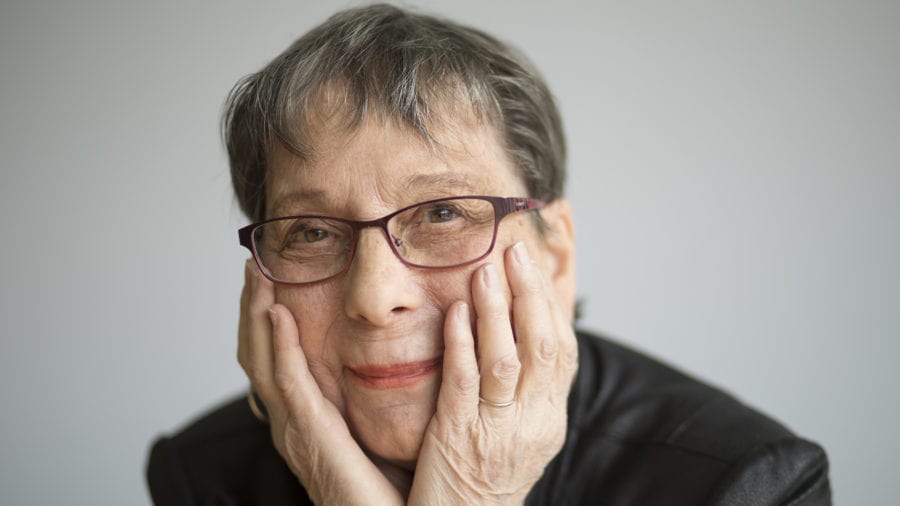
Mikaela Lefrak Examines the Life of Maryland Poet Laureate, Grace Cavalieri
The beloved Grace Cavalieri “contains multitudes” according to Mikaela Lefrak in her newest article from WAMU taking a look at the life and career of the 10th Poet Laureate. And Ms. Lefrak treats her subject with the due respect of a life which cannot be covered succinctly in 500 words. She delivers a reverent tourists’ view of Grace Cavalieri’s life, hitting the big things: her poetry and work ethic, the passing of her husband, Kenneth Flynn, her conversion to Buddhism, and finally her new tenure as Poet Laureate.
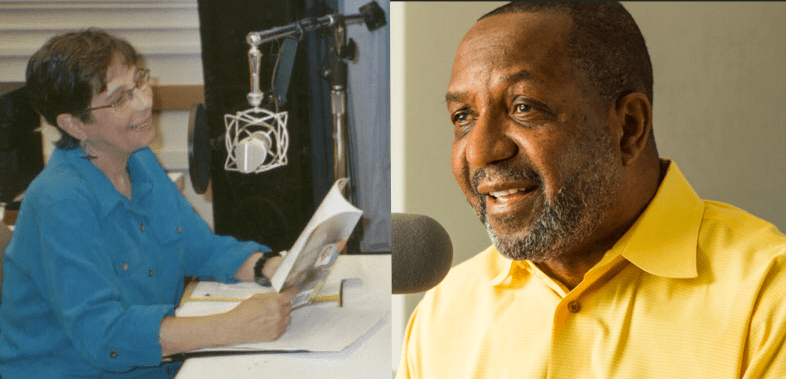
Listen to Grace Cavalieri on the Kojo Nnamdi Show
Grace Cavalieri’s recent stop at NPR’s The Kojo Nnamdi show is now streamable. Over a substantive 22 minutes, listen to Grace talk about poetry, inspiration, and her plans as the 10th Maryland Poet Laureate.