Former Student Describes Reuben Jackson’s Jazz-infused Poetry Class
“I’m going to play you some John Coltrane,” he said, his voice serious, soft-spoken. “Some people say Coltrane sounds like a bunch of salad,” he continued, “but it’s all in the way he mixes it.” He pressed “PLAY” and told us to write what came to mind.
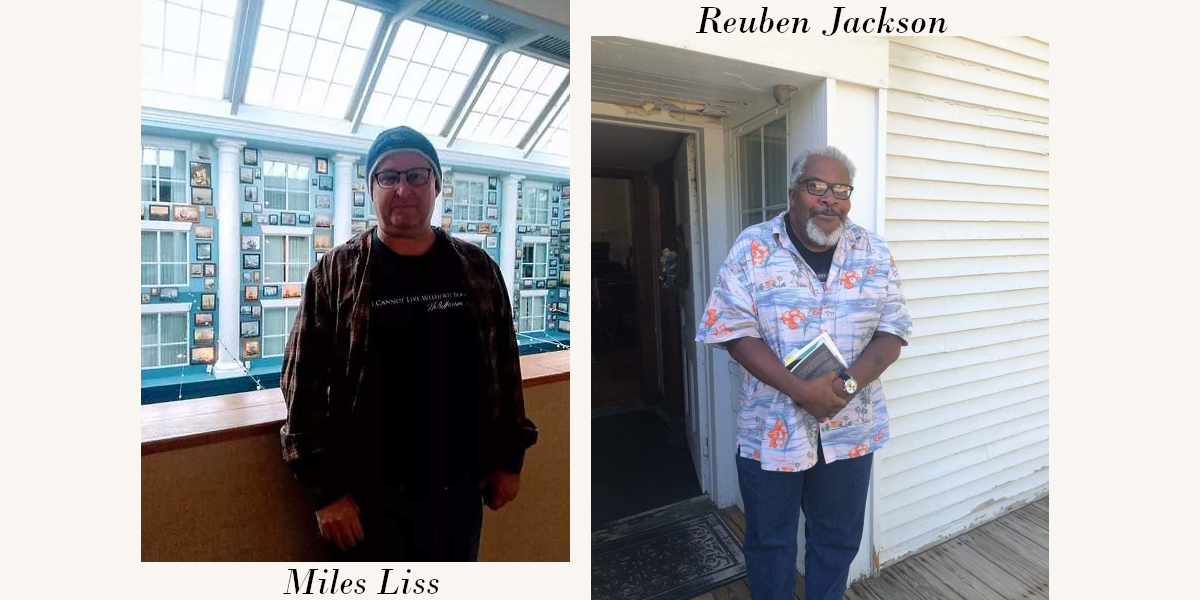
Miles Liss, who recently graduated with an MFA in poetry from Vermont College of Fine Arts, reflects on his time taking classes under maestro Reuben Jackson in this short essay. You can read the whole thing on Past-Ten here. Read Reuben's poetry here.
In the essay, Liss describes Reuben's unorthodox approach to teaching poetry, specifically his focus on extemporaneous writing in a similar vein to the off-the-cuff soloing and improvisation of jazz musicians. Below is an excerpt:
“I’m going to play you some John Coltrane,” he said, his voice serious, soft-spoken. “Some people say Coltrane sounds like a bunch of salad,” he continued, “but it’s all in the way he mixes it.” He pressed “PLAY” and told us to write what came to mind. Like a silent Miles Davis exiting the stage to give his fellow musicians an opportunity for expression, our instructor left the room.
As Coltrane played, I pressed my pencil against notebook paper and started writing. The words came out in a rush, in rhythms I had already possessed. It felt natural, in a way fiction never did. There was no agonizing over characters, plot charts and index cards. It was pure emotion.
We went around the room, reading our poems. I had two short pieces, riffs on cityscapes, and though I was nervous, I read them aloud. When I looked up, he was watching me, deep in thought and leaning back in his chair. He said nothing. Weeks later, he’d verbalize his praise, but for the time being, the silence spoke. As Miles Davis knew so well, the real music was in the silence.
“On the Road, Columbia, South Carolina, Spring 1959” A Poem by Reuben Jackson
“There’s much said in what’s not said in Reuben Jackson’s poetry. His cleverly sparse style often convincingly veils the complexities of which he writes, just until the poet sharply corrects our deception.” Linda Stiles
Those deceptions Ms. Stiles refers to above often come from Reuben’s use of the child’s point of view. As a child, the narrator, and reader by proxy, is looking up at the absurdity of adult interests and actions with a renewed curiosity. The narrator misses the cut of the barber’s words when asked “aren’t you proud of being negro?” The narrator cannot reason why the neon lights of the roadside motel are fading in the rear-view window, and yet his father seemed once so confident…
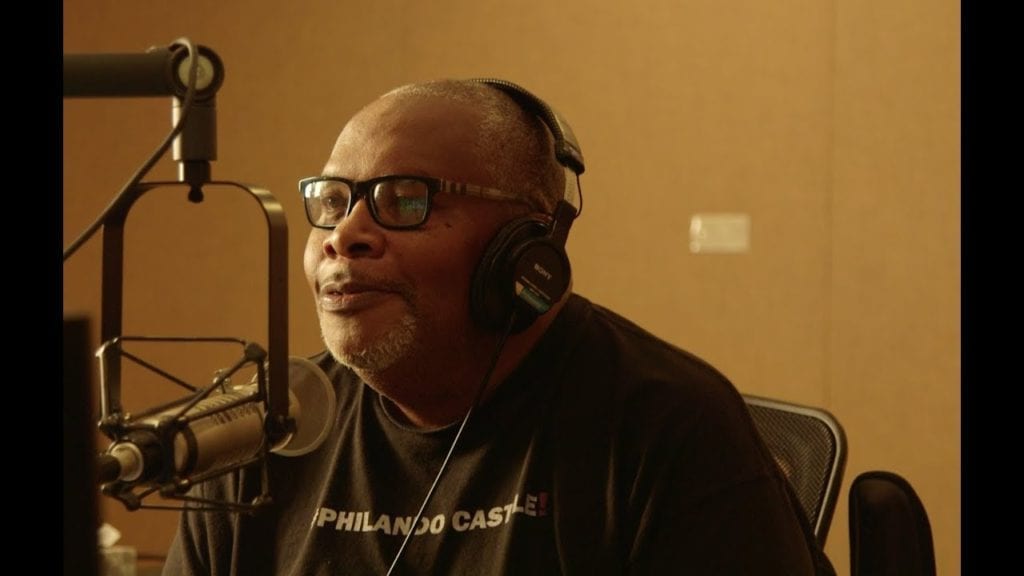
New Poem by Reuben Jackson, “Radio Nights”
Radio Nights by Reuben Jackson ASP is proud to premier the new Reuben Jackson poem, “Radio Nights.” From Reuben: As I mentioned during the interview with Rose Solari, my childhood […]

Reuben Jackson Reads his Poem “Second Grade”
Reuben Jackson Reads “Second Grade” “Reuben Jackson’s poems are gateways to possible worlds. With the finesse of a real sleight-of-hand artist, he transforms the truly personal—hopes, dreams, desires—into universal memories.” Richard […]