Hazen Featured in New Article: "Baltimore: Great Poets Live Here"
Poet, Elizabeth Hazen, and her second collection, Girls Like Us, are featured in this Fishbowl article exploring the poets of Baltimore
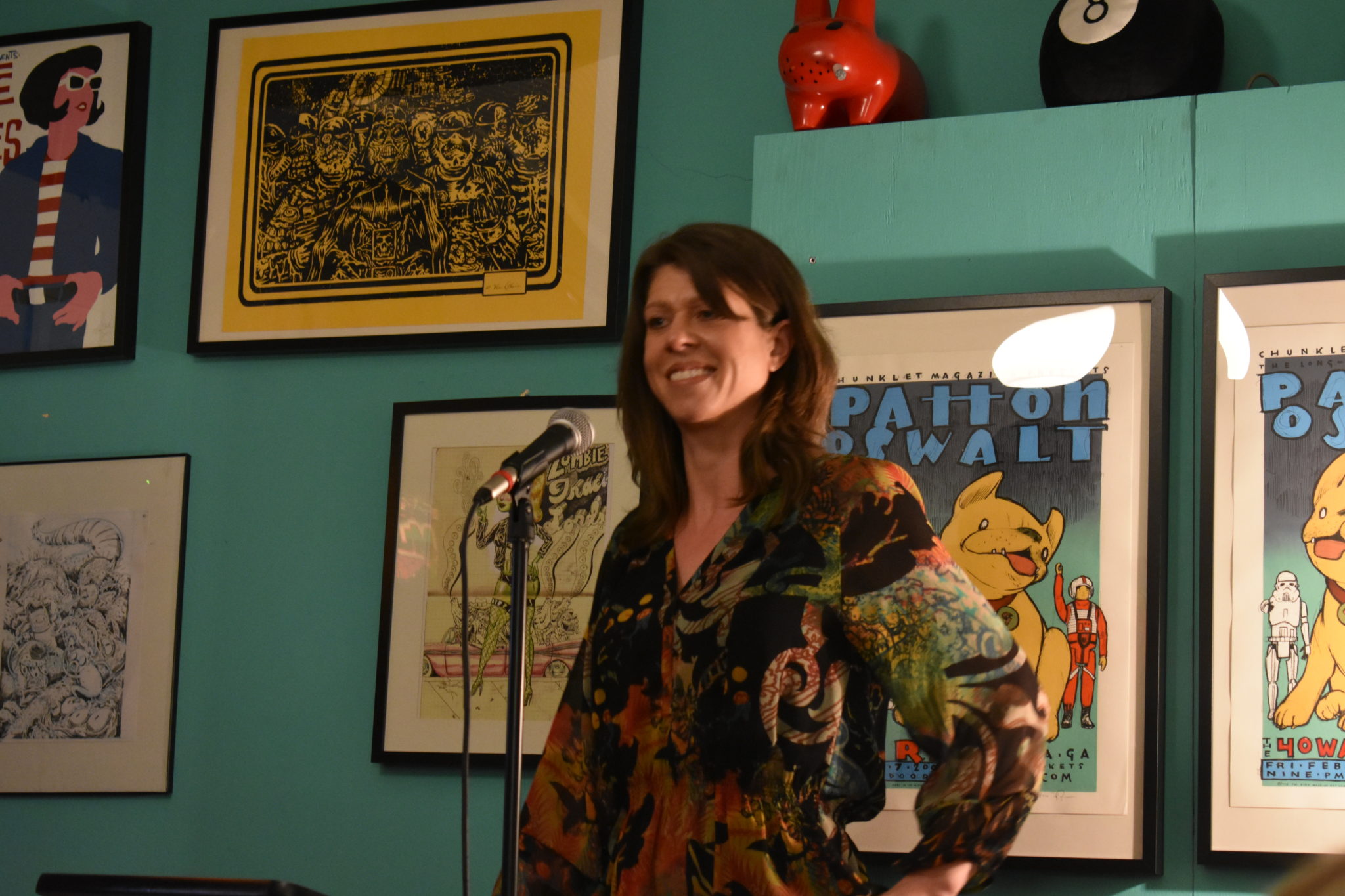
Poet, Elizabeth Hazen, is featured alongside other notable names in the Baltimore literary scene such as Dora Malech and Steven Leyva in this extolling article from Baltimore Fishbowl writer Jennie Hann.
Elizabeth Hazen, who has written several essays for the Fishbowl, released her latest collection, Girls Like Us, in March right before the upswing of the pandemic. Since then, GLU has received much critical acclaim garnering glowing reviews from publications such as The Literary Review, Lit Pub, and London Grip. Jennie Hann's article praises the feminist commentary of GLU and Hazen's incisive and economic style which "twist[s] the knife yet deeper." An excerpt follows below:
By day, Hazen teaches English at Calvert School. We’re told on good authority that her classes are “lit”—as in, exciting, turned on, ablaze. No accident, then, that Girls Like Us has been described as “poetry on fire.” From the first page, Hazen’s words burst into flame, lingering in the mind with explosive residue long after the book has been shut. Take, for instance, “Devices,” which opens the volume and sets its tone. On the surface, this is a conventional list poem, a series of mnemonics to help students learn poetic terms (also known as “devices”). Dry material? Wait until Hazen strikes the match between her teeth:
Assonance
repeats vowel sounds: hot bod, dumb slut, frigid bitch.
Even his line—“Girl, we’ll have a fine time”—
or her refusals—“No! Don’t!”
Just like that, a clever exercise becomes a meditation on the casual misogyny of everyday life and language. We often think of poetic diction as elevated or rarified. Hazen dispels that notion. She writes poetry that’s legible because it’s also real and relate-able. Notice, above, how her carefully chosen slang examples riff on the note sounded by the term’s first syllable (“ass-”). Am I right to think you won’t have any trouble remembering “assonance” from now on?

A Stirring Tribute: Carmen Nickerson reads Solari’s “Meditation for my Country” During 9/11 Concert
Accomplished singer-songwriter Carmen Nickerson and pianist Kostia Efimov provide an intimate, acoustic set as part of the No Studios unplugged series.
At approximately 42 minutes into the set, Nickerson pauses to acknowledge the date – September 11th – and pulls out a sheet of paper. The poem she reads is Rose Solar’s “Meditation for my Country.”

Grace Cavalieri Releases New Podcast with Jeffrey Lamar Coleman
Grace Cavalieri’s new podcast is off to a strong start. This week’s guest is professor Jeffrey Lamar Coleman, editor of “Words of Protest, Words of Freedom: Poetry of the American Civil Rights Movement and Era.”
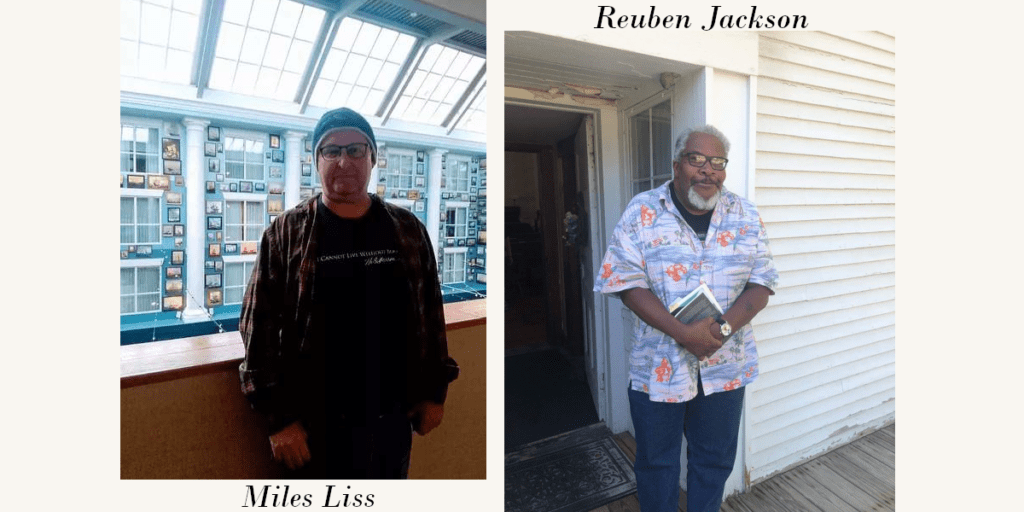
Former Student Describes Reuben Jackson’s Jazz-infused Poetry Class
Miles Liss, who recently graduated with an MFA in poetry from Vermont College of Fine Arts, reflects on his time taking classes under maestro Reuben Jackson in this short essay.